 Espace partenaire




Fujitsu’s Approach to Sustainability and Human Capital Management
To achieve its Purpose, the Fujitsu Group is addressing its material issues by focusing on three essential areas of contribution : solving global environmental challenges, advancing the digital society, and enhancing people’s well-being.
Realizing these goals requires the promotion of sustainability across the entire supply chain, with a particularly comprehensive approach to human rights, human capital, and well-being.
With the aim of co-creating true value with our partners and building an evolving value chain together, Fujitsu held an online seminar for our business partners on February 3, titled « Shaping the Future of Sustainability : Building the Value Chan Where People Shine. » This article introduces the key highlights of that event.
1. Purpose of the Event
In recent years, the business environment has changed significantly due to factors such as the mandatory disclosure of human capital information and intensified competition for talent. Under these circumstances, respect for human rights throughout the entire supply chain has become an indispensable foundation of corporate activities. At the same time, employee engagement and well-being have emerged as critical drivers of sustainable corporate growth.
For our partners as well, enabling people to thrive directly contributes to increasing corporate value. With this in mind, Fujitsu shared its initiatives through two presentations :
- Hiroki Hiramatsu, Director and Corporate Executive Officer, SEVP, CHRO, spoke on « Human Capital Management and Well-being. »
- Takashi Yamanishi, Corporate Executive Officer, EVP, CSSO Chief Sustainability & Supply Chain, addressed « Sustainability Management and the Importance of Respect for Human Rights. »
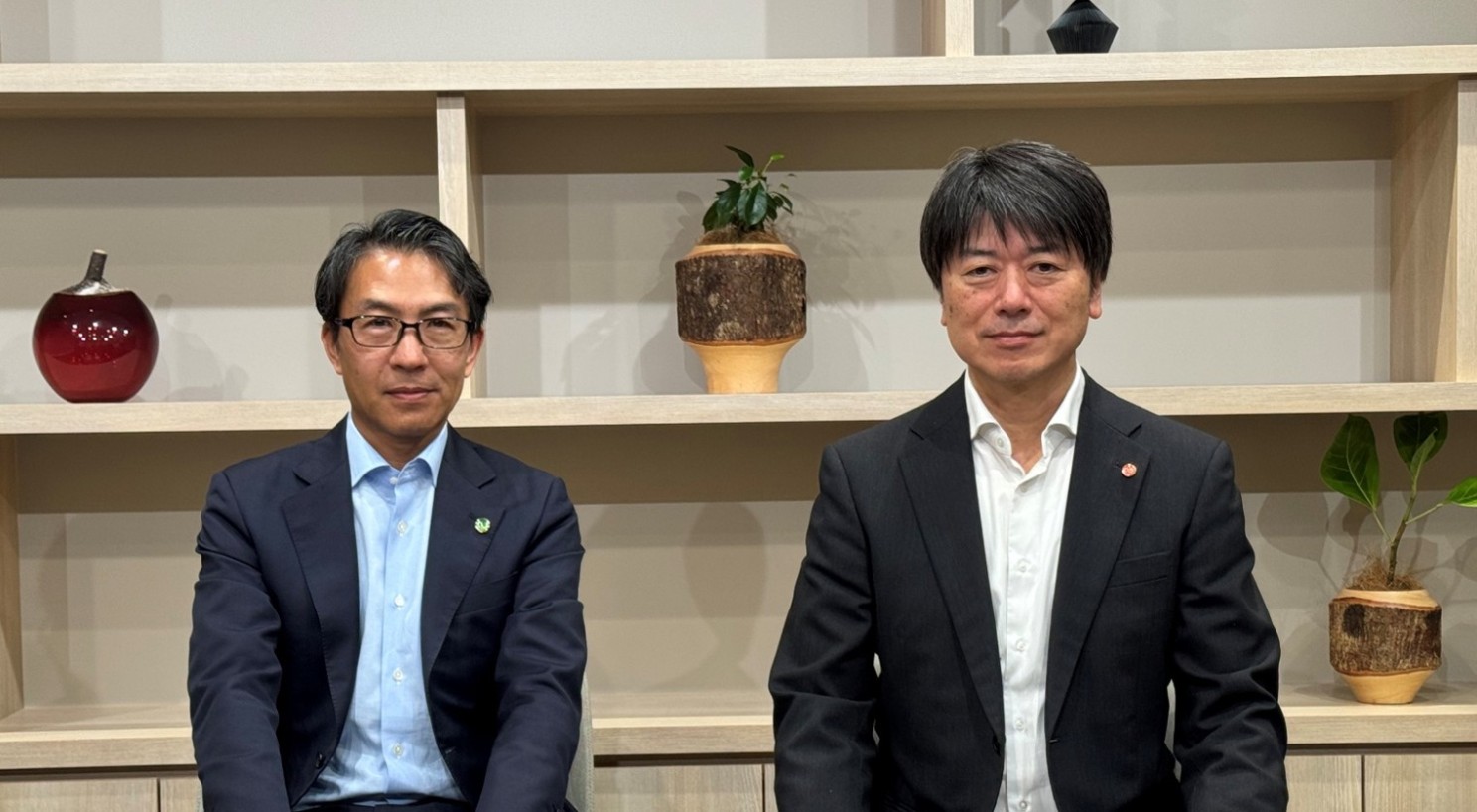
- CSSO Yamanishi (Left) and CHRO Hiramatsu (Right) 2. Sustainability Management and Protecting Human Rights
CSSO Yamanishi emphasized that Fujitsu’s sustainability management has moved from establishing guiding principles—such as its Purpose and materiality—to the execution phase, and that close collaboration with the supply chain and value chain is critical to driving progress.
Fujitsu’s materialities, defined based on its Purpose, clearly indicate where and how the company seeks to create impact. Through these efforts, Fujitsu aims to generate tangible value for both society and financial performance.
Among these priorities, initiatives related to human rights are particularly important. Advancing a responsible supply chain requires close collaboration with partners to address human rights issues together. Fujitsu Group promotes respect for human rights based on the UN Guiding Principles on Business and Human Rights and relevant laws and regulations in each country. These efforts include a human rights statement, sustainable procurement guidelines, assessment and feedback mechanisms, and consultation and reporting channels.
He also stressed the importance of comprehensively identifying and appropriately addressing supply chain–wide risks, such as natural disasters, information security, and human rights issues. He noted that addressing human rights is both a shared social responsibility across the value chain and a potential source of risk if not managed properly.
Through engagement and dialogue that lead to continuous improvement—and by linking these efforts with human capital management and well-being—Fujitsu aims to enhance the value of the entire value chain together with our partners.
3. Human Resource Management and Enhancing Employee Well-being
CHRO Hiramatsu shared Fujitsu’s philosophy that the growth and happiness of each employee fuel organizational vitality and ultimately strengthen corporate competitiveness. While respect for human rights forms the foundation of Fujitsu’s approach, the company places strong emphasis on incorporating this foundation into a positive cycle that enhances corporate value. He introduced Fujitsu’s Human Capital Value Enhancement Model, which serves as the basis for this approach.
He highlighted that achieving a strong talent portfolio through strategic human capital investment and employee-driven reskilling requires not only purpose-driven management and organizational culture transformation, but also well-being realized through organizational initiatives such as diversity, equity and inclusion (DE&I) and improved engagement.
Fujitsu defines well-being across four dimensions :
- Career & Growth
- Financial (economic stability)
- Social (connections with society)
- Health (physical and mental health)
Fujitsu seeks to create a state in which employees feel they are moving toward future happiness through both work and life. To achieve this, Fujitsu has implemented a full model change to job-based human resource management. This includes designing organizations based on business strategy, clarifying responsibilities, authorities, and talent requirements, and introducing a job-based compensation system aligned with roles and responsibilities.
In addition, Fujitsu is enhancing talent mobility through workforce planning reviews and expanded internal job postings, while supporting continuous learning and growth by offering diverse learning opportunities that emphasize career ownership.
Results from engagement surveys have shown that, particularly in Japan, awareness of « growth opportunities » remains a challenge. To address this, Fujitsu is promoting stronger alignment between individual and organizational purpose within its performance evaluation system and further encouraging career ownership to support employees’ willingness to take on challenges and learn.
CHRO Hiramatsu emphasized that well-being means « continuously reflecting on how one wants to be and striving to improve, » and that engaging with one another’s well-being serves as a key driver of organizational vitality.
4. Discussion with Our Partners
During the seminar, questions from partners were collected in real time via Slido, leading to discussions on practical challenges related to human rights, sustainability, and human capital management.
The questions covered a wide range of topics, including long-term management and organizational development, ways of working in the AI era, co-creation with partners, and employee well-being. Fujitsu responded by sharing its perspectives on current challenges and future direction.
For example, when asked about the type of talent required in an increasingly AI-driven world, Fujitsu pointed to individuals who can effectively leverage AI, gain new insights, and translate them into value creation. In response to questions about talent capable of competing globally, Fujitsu highlighted the importance of people who can adapt flexibly to change and demonstrate strong performance while engaging and mobilizing colleagues and partners.
Regarding expectations of partners, Fujitsu emphasized that business cannot exist without the value chain, underscoring the importance of creating value together and delivering it to society collaboratively.
These diverse questions suggest that Fujitsu’s approach to human capital management—integrating corporate value enhancement with the resolution of social issues—has attracted strong interest from stakeholders regarding its effectiveness. Through this valuable discussion, participants were able to reaffirm how essential human capital management is to sustainable growth and enhanced competitiveness, and to clarify concrete directions for talent development and partnership-building in an AI-driven, globalized era.
5. Message to Our Partners
At the conclusion of the seminar, CSSO Yamanishi and CHRO Hiramatsu expressed their gratitude to our partners and shared the following message :
« At Fujitsu, we firmly believe that the well-being of each and every employee is essential to corporate growth, and we strongly recognize the importance of this energy. At the same time, to realize the future we aspire to achieve, collaboration with partners from diverse industries and backgrounds is indispensable. We look forward to continuing open and proactive communication with you, and to advancing a wide range of initiatives together. »
Through this event, we hope you were able to see once again how essential co-creation with our partners is to building the future of sustainability together. We sincerely hope that this article helps readers gain insights into addressing challenges related to promoting sustainability and human capital management. Fujitsu will continue to work closely with our partners across the value chain, engaging in active communication to drive value co-creation and contribute to society.
Text from Fujitsu.
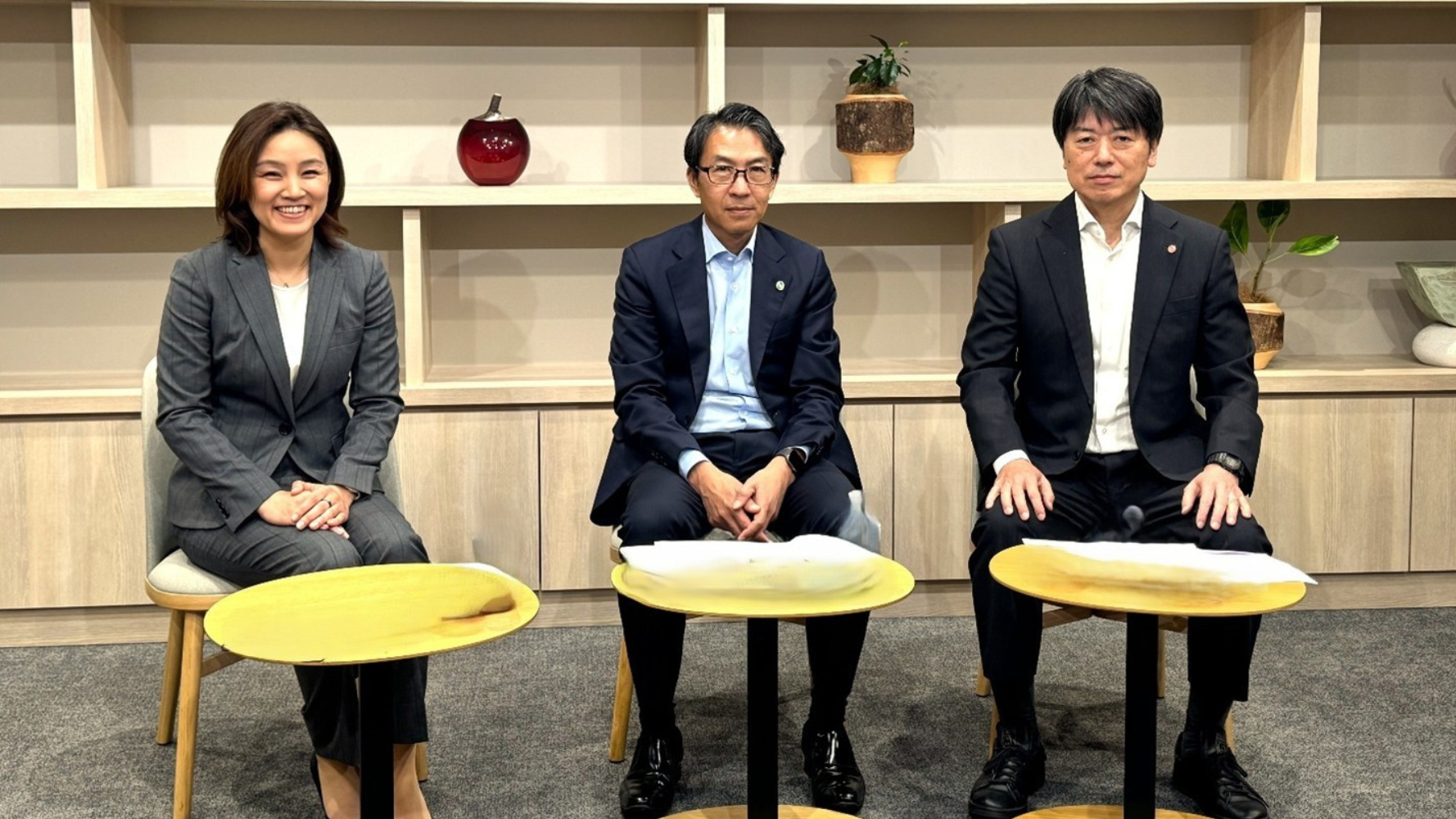
Picture © Fujitsu, speakers : CSSO Yamanishi (Middle), CHRO Hiramatsu (Right), Moderator : GSC Senior Manager, Ajima (Left).