
 Espace partenaire




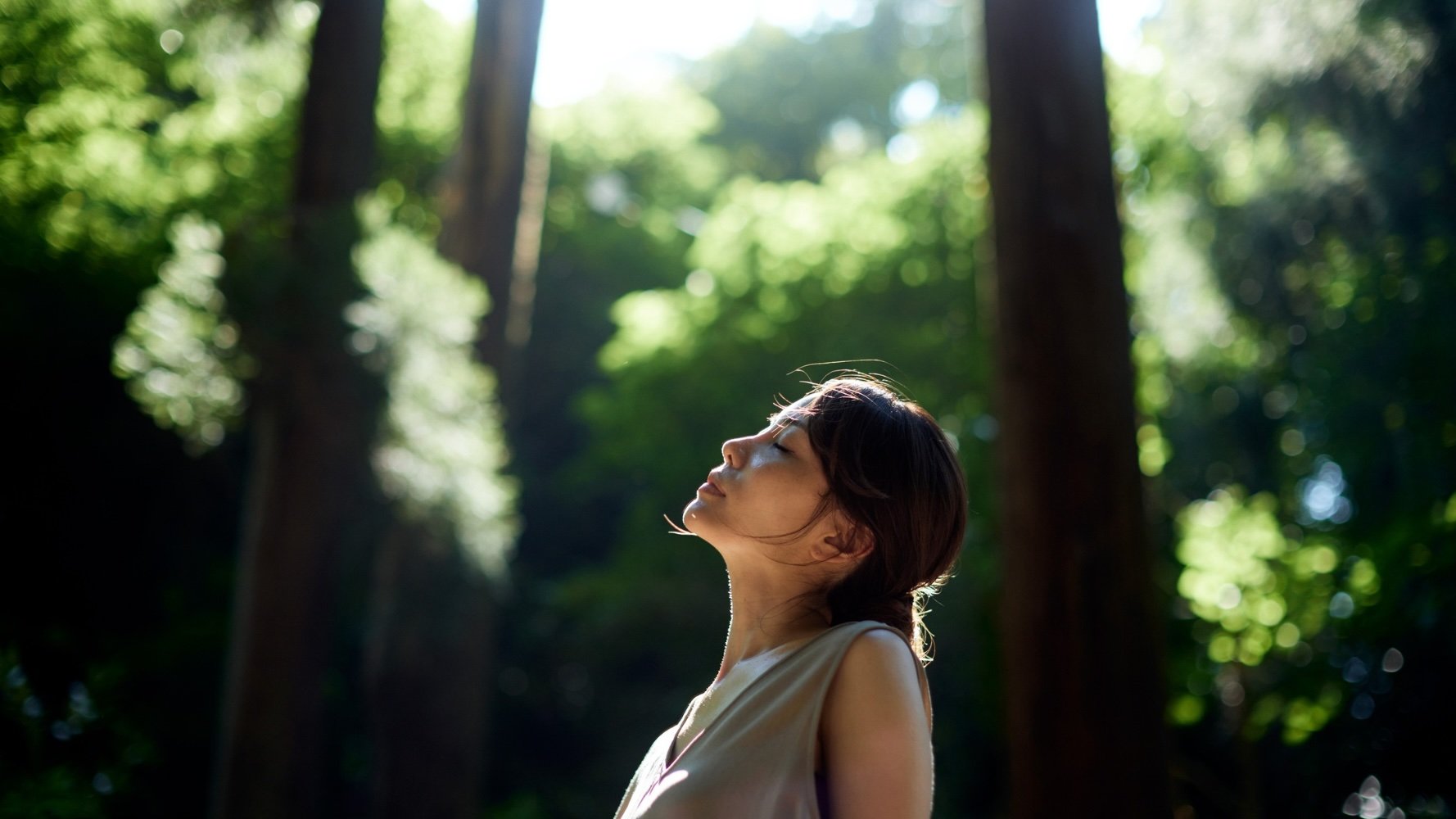
Take the Slow Walk
When was the last time you looked at something that did not demand anything in return ? Not a reply email, not an emoji, nothing in exchange for your attention.
Many would have to think long and hard. And that’s because the pace of modern life has quietly displaced the natural rhythm of human attention.
Our minds and bodies have evolved to move between stress and recovery, activation followed by rest, focus followed by a release of directed attention. For most of human history, that rhythm was simply how life worked. Today, it has been dismantled.
Every notification, every ping, every screen glowing at the edge of our vision sends a signal to the brain : something might need your attention. The nervous system responds maintaining a low hum of alertness even when we are technically at rest. The stress response never fully resolves.
Modern workplace culture has deepened the problem. Emails arrive at 9pm. Messages appear on Saturday mornings. The boundary between work and personal time has, for many people, simply ceased to exist. This is why weekends rarely feel restorative, and why simply telling people to switch off fails so consistently.
The antidote
When the nervous system is chronically activated, the body produces elevated levels of cortisol, the primary stress hormone. Left unresolved, high cortisol is linked to poor sleep, impaired immunity, cardiovascular risk, and cognitive decline. It is, quite literally, the body keeping score.
Research points to an effective counterweight : nature. Not as a wellness perk, but as a physiological intervention. A 2025 meta-analysis found that nature exposure reduced salivary cortisol by 21%—with even greater reductions following exposures of 20 to 30 minutes.
Nature-based interventions actively regulate the body’s stress response—completing the recovery cycles that digital life constantly interrupts. A park, a tree-lined street, a garden at the edge of the office, these are not luxuries. They are the recalibration the modern nervous system requires. And for organisations in Luxembourg, where green spaces are within reach of almost every workplace, the resource is already there.
The Micro-Pause Framework
Making use of that resource does not require a massive investment. It requires small, consistent practices : no more complicated than stepping outside without your phone. Tools that can ensure consistency include the Micro-Pause Framework, which can be incorporated into the workday.
- Duration : 10–20 minutes is enough. Under 8 minutes shows limited hormonal effect.
- Frequency : Once or twice per day. Cumulative effects build over days and weeks.
- Environment : Any green space works—a park, a tree-lined street, a garden. No forest required.
- Activity : Walking, sitting, or standing outside. No phone. Passive observation is enough.
- Scheduling : Add it to your calendar. Ad hoc breaks rarely happen under workload pressure.
Roots-up integration
The Micro-Pause Framework works best when it is normalised throughout the entire organization.
Here’s how leaders can build it into everyday practice :
Normalise the outdoor break by modelling it at leadership level :
- Replace one indoor one-to-one meeting with an outdoor walk
- Schedule one phone-free break visible on your calendar, and follow-through with it
- Plan at least one outdoor team session per month : a reflection, a workshop, or a walk
Ensure your physical office space supports integration :
- Audit employee access to natural light, views, and green space
- Identify unused outdoor spaces around the workplace that could be activated
- Create a shared green space map so teams know where to go : proximity makes the habit stick
Create a culture of nature-connectedness
- Develop shared norms around recovery, attention, and digital boundaries
- Train managers on attention and recovery literacy
- Measure the impact of nature exposure on absenteeism and workplace performance
So, take the slow walk and take it often. Encourage your teams to do the same. Because in a world of chronic digital overload, the most productive thing an individual or an organisation can do is to step outside.
Text and picture from UNature